
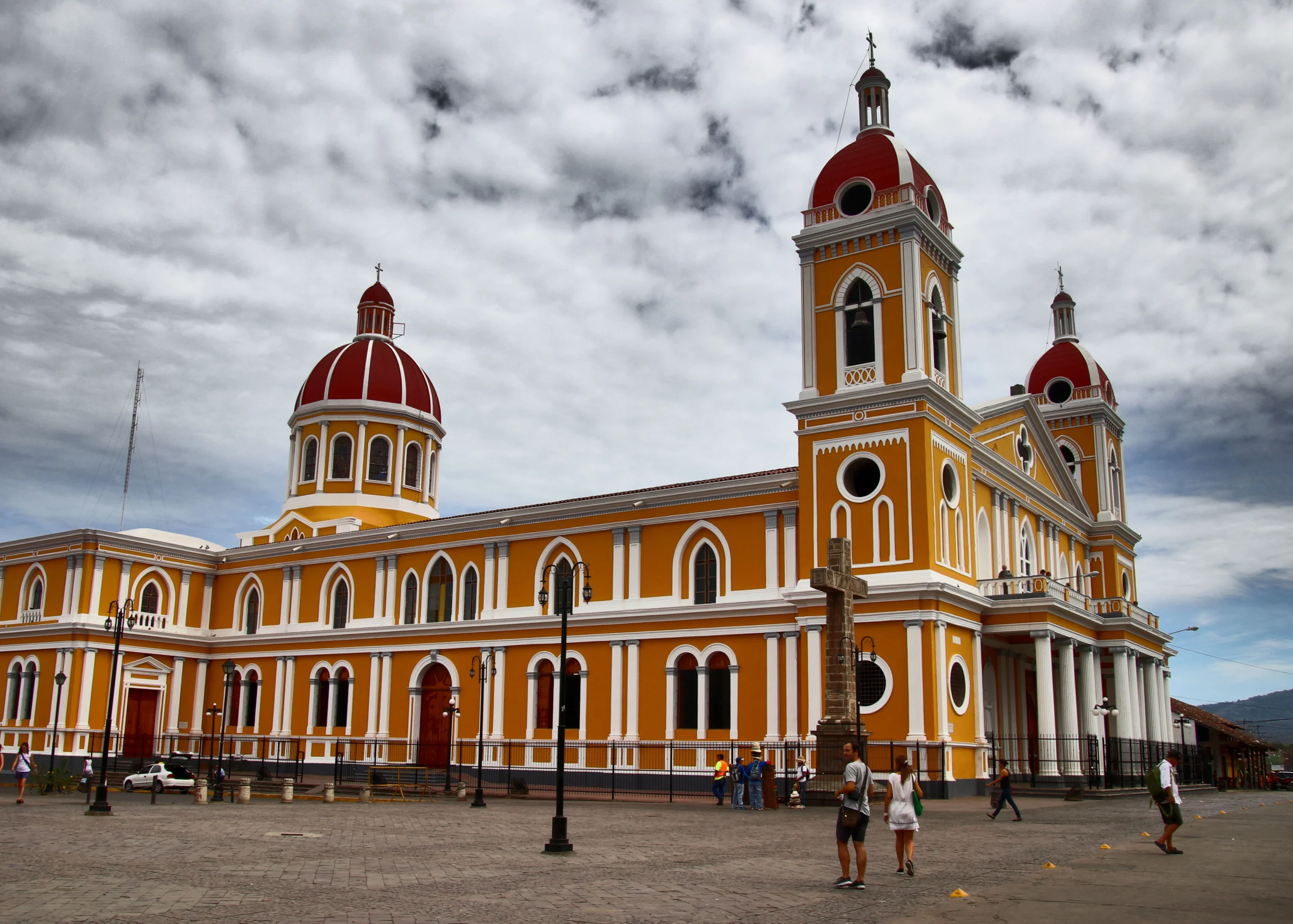
Granada, a historic city along Lake Cocibolca, is more than a charming colonial town. It plays a significant role in Granada Nicaragua history, with deep connections to the country’s struggles for independence and social justice. Over the centuries, Granada has witnessed critical moments in the nation’s fight for freedom, from colonial resistance to modern-day revolutionary movements. For travelers and history enthusiasts, exploring Granada with Golden Tours Nicaragua offers an immersive way to connect with this past while experiencing the region’s culture and beauty. To round out your visit, consider learning about the city’s indigenous roots of Granada to understand how heritage shapes today’s narratives.
In this blog, we’ll look at Granada’s role in Nicaragua’s revolutionary past and how Golden Tours Nicaragua can help you explore historical landmarks, from colonial architecture to key involvement in the Nicaraguan Revolution.
Granada Nicaragua History: A City with a Revolutionary Past
Granada is one of the oldest colonial cities in the Americas. Its position along Lake Cocibolca made it a focal point for colonial powers and a player in regional politics. As Spain established control, Granada became a center of governance and commerce.
Through the 19th century, independence struggles reshaped the region. Nicaragua achieved independence in 1821, but power battles continued. With its infrastructure and elite classes, Granada became a hub for political and military resistance within Granada revolutionary history.
The Nicaraguan Revolution and Granada’s Strategic Role
The Nicaraguan Revolution, culminating in 1979, grew from social and political inequality. Sandinista revolution Granada activity was symbolic and strategic. Early on, Granada served as a base for Sandinista fighters who used the city’s position to launch operations. Geography—on Lake Cocibolca with surrounding terrain—made it vital to controlling the south.
Civilian uprisings spread as communities resisted Somoza’s dictatorship. Historic architecture and churches, including Granada Cathedral, became places of refuge. The era’s upheaval placed Granada at the center of Nicaragua revolution history.
The Sandinista Legacy and Granada’s Rebirth
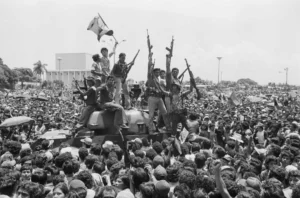
The fall of Anastasio Somoza Debayle ended decades of family rule and opened the door to reforms. The Sandinista government then faced internal and external pressures, including the Contra War. Granada suffered but also symbolized resilience.
The city’s legacy endures. Reconstruction and cultural revitalization followed, and places like Granada Cathedral and public squares reflect the period’s lasting impacts.
Exploring Granada’s Revolutionary History with Golden Tours Nicaragua
For historical tours Granada Nicaragua, Golden Tours Nicaragua offers guided experiences through key landmarks and stories. Walk the Plaza de la Independencia and Granada Cathedral for colonial context, then explore neighborhoods that saw organizing and resistance.
To complement the revolutionary narrative, art lovers can include best museums and galleries in Nicaragua on the same trip. On Lake Cocibolca, a boat ride among the Islets of Granada offers a perspective on geography’s role in the city’s past while showcasing natural beauty.
Conclusion
Granada holds an undeniable place in Granada Nicaragua history. From colonial roots to the Sandinista era, the city embodies resilience and change. By visiting, travelers can appreciate architecture, public spaces, and personal stories that illuminate the country’s journey.
With Golden Tours Nicaragua, you can explore revolutionary landmarks and learn about the events that shaped modern Nicaragua. Whether you’re a history buff or culture enthusiast, Granada offers an enriching experience that lasts long after your tour.


